
Nipah Virus: A Comprehensive Overview of a Deadly Emerging Disease
An illness that has received widespread attention due to its potential to produce epidemics and raise death rates in affected populations is Nipah Virus Infection. It received the first attention when it was documented during an outbreak affecting pig farmers in Malaysia from 1998 to 1999. It has since then been documented to be a serious and increasing threat to the safety of the public in the Greater Southeast and South Asia regions.
Cause of the Infection
Nipah Virus belongs in the genus of Henipavirus. It is endemic to fruit bats (flying foxes). These bats become carriers of the disease, so they do not become sick.
To mammals, the disease is transferred by:
- Contact with the infected animal by way of anosognosia
- The sale of contaminated products
- The disease can be spread within a family unit, especially during disease-related physical treatments.
Recurrent outbreaks within the last 5 years in Bangladesh and India have been recorded. They are typically due to infected feces of a contaminated host spread within a family.
Symptoms and Clinical Features
The typical incubation period for Nipah virus is between 4 to 14 days, and in some rare cases, symptoms may be present up to 45 days. The range of symptoms for this infection may include the following, Mild to Moderate
⦁ Fever, Headaches and Body aches
⦁ Vomiting and sore throats
⦁ Dizziness and fatigue
⦁ Respiratory Distress
The Nipah virus infection may also cause severe complications, and the brain may become inflamed, and in this case the patient may present symptoms of confusion, may also have seizures and may lapse into a coma in a span of 24 to 48 Hours. The fatality rate may be as high as 40-75 depending on the outbreak as well as the healthcare response.
Nipah virus: characteristics and transmission:
NiV is a zoonotic virus. This means it makes the jump
from animals to humans. It is believed that humans can contract the virus by
eating contaminated food or coming into direct contact with the body fluids and
excretions of another person. Humans can also contract the virus from contact
with certain domesticated and wild animals including bats and pigs. The
spectrum of clinical illness with NiV infection ranges from asymptomatic
illness to severe acute respiratory illness, fatal encephalitis, and everything
in between.
The primary methods of disease transmission to humans are direct
exposure to infected animals and their body fluids (blood, urine, saliva), and
the consumption of contaminated foods (i.e. bats infected with NiV and
contaminating palm sap, or fruit). Furthermore, the disease can be transmitted
between humans through direct contact with the body fluids of an infected
person (blood, urine, or respiratory and nasal secretions) of the infected
person. There have been numerous cases of human-to-human transmission of NiV in
India and Bangladesh, and it particularly occurs in the family members and
caregivers of the infected person. The routes of transmission of the NiV are
illustrated in the figure 1.
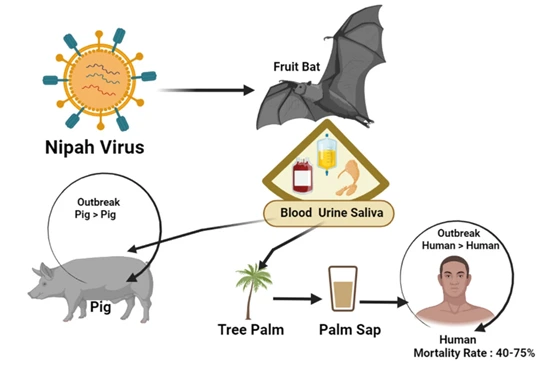
Figure 1: Schematic representation on Nipah virus transmission
Diagnosis and Treatment
The presence of nonspecific initial symptoms as well is the reason for the high difficulty in diagnosis of Nipah virus infections. The laboratory tests that are used for infection confirmation include, RT-PCR, ELISA and the Virus Isolation.
There is no specific treatment for Nipah virus because there is no approved antiviral and vaccines for this virus, so management of Nipah virus is primarily centered on supportive care which may include the following:
- Hyderation maintenance
- Symptomatic care
- Intensive Care for patients with severe respiratory or brain complications.
There is ongoing research into potential vaccines and treatment for Nipah Virus, but no treatment or vaccine is readily accessible as of November 2022.
Prevention and Control
Prevention of Nipah virus infection requires decreasing the possibility of infection through certain measures such as:
- Not drinking raw date palm sap
- Thoroughly washing and peeling fruits
- Not coming into contact with sick animals or sick people
- Using protective gear in health care
- How to communicate and the public health system in controlling outbreaks.
Outbreaks and Global Concern
Since its discovery, the Nipah virus has caused several outbreaks, especially in places where there is close contact between humans and wildlife, especially rural areas of outbreaks in Malaysia where there was over 100 deaths and millions of pigs were culled as a means of controlling the spread of the virus.
Subsequent outbreaks in Bangladesh and India have shown a greater tendency for spread by human contact which heightens the concern for the potential for a pandemic. The World Health Organization has designated the Nipah virus as a priority pathogen for epidemic potential and the absence of effective treatments.
Nipah Virus Summary
Nipah Virus has multiple dangerous qualities, such as:
- Outbreaks with higher infection and death rates than most other infectious disease outbreaks
- Possible human-to-human transmission
- No vaccines/treatments
- Outbreaks in low-resource areas with limited healthcare
Additionally, climate change and deforestation provide opportunities for people to encounter previously untouched wildlife, which increases the likelihood of outbreaks in the future.
Conclusion:
Nipah Virus is a public health concern because the areas where outbreaks occur are currently limited, but the virus has a high fatality rate and can spread between people. Health care preparedness, research, and surveillance are all areas that need to be prioritized in order to mitigate future outbreaks.
Nipah Virus is a prime example of the need for global collaboration, rapid response, and surveillance to mitigate the consequences of emerging infectious diseases and protect the world.